Soul-lutions
This is an informative page to find solutions rather than complaints. If you have a problem you can go to the community are of honeypod and start a bulletin. If you have a solution or have something your area/ community has found that works submit to the contact page under subject put :Soul-lution
Thankyou i hope this section is positive and please download or use to make your problem become a soul-lution… Thankyou
Howie
Tiny Home Villages That Work: Peterborough & Calgary
Real cities, real tiny-home villages for people experiencing homelessness — what was built, what it cost, what council decided, and how it turned out.
Peterborough, Ontario — The Crossing
Peterborough’s city-led answer is The Crossing (first called the Modular Bridge Housing Community): 50 single-room modular tiny homes on the Rehill municipal parking lot at 210 Wolfe Street, on the edge of downtown. The site runs 24/7, operated by the Elizabeth Fry Society of Peterborough, with a service hub (health, mental health and social workers), five communal washroom/shower units, plus laundry and food facilities. Residents sign occupancy agreements and pay rent geared to income, or the housing portion of ODSP/Ontario Works.
How it started: the City had declared homelessness an emergency in 2022, with an encampment at Wolfe Street. In May 2023, City Council approved the village to operate on Wolfe Street for 18 to 24 months under staff Report CSSS23-013. Construction finished November 16, 2023; residents began moving in November 27, 2023. Council later voted in Fall 2024 to keep it going past the original deadline, and on January 6, 2025 considered adding up to 16 more units (Report CSSS25-004).
Money: $2.5 million from Ontario’s Homelessness Prevention Program covered two years of operation. Capital cost was reported at roughly $21,000 per unit, built in about six months.
Success stats (City of Peterborough, two-year anniversary, November 2025):
- 12 residents moved from the village into stable community housing — half of them Indigenous residents
- 15 residents taking part in an on-site work program
- 2 residents found employment in the community
- Site at full capacity
- 0 fire calls from the site; 90% reduction in police calls; neighbours and the liaison report the area is “tidier, quieter, safer” than before
Peterborough’s grassroots twin: PATH
Separate from the City project, a volunteer nonprofit called PATH (Peterborough Action for Tiny Homes) — incorporated July 6, 2022 — has been pushing its own sleeping-cabin village since 2021, inspired by Austin’s Community First Village. On November 21, 2022, PATH brought Council a report proposing a 15-cabin pilot and asked for three things: waived application and development fees, expedited review, and $100,000 in start-up funding for Winter 2022/23. In 2024 PATH filed a temporary rezoning application for 30 sleeping cabins at 385 Lansdowne Street East (the former Humane Society site). It is not confirmed whether Council granted the funding or approved the rezoning.
Calgary, Alberta — Homes for Heroes ATCO Veterans’ Village
Calgary built Canada’s first tiny-home village for homeless veterans: 15 tiny modular homes (about 300 sq ft each, full kitchen and bathroom) arranged around a flagpole in the Forest Lawn community, plus a resource centre, counsellor’s office and community gardens. It opened in November 2019.
How it started: on March 1, 2018, the City of Calgary approved the sale of six City-owned development sites to non-profit affordable-housing providers — including the Homes for Heroes Foundation, in partnership with the Mustard Seed and ATCO. The City called it the largest non-commercial land transaction in its history; the land went at below-market value.
Who’s behind it: the Homes For Heroes Foundation (registered charity; co-founders David Howard, president, and Murray McCann, chairman). ATCO designed, built and delivered the homes as a $1.5 million in-kind donation. The Mustard Seed helps with tenant selection and on-site counselling.
Money: about $2.5 million per village ($2M to build plus land, $500K set aside in trust for maintenance). Veterans pay modest rent from their social-support funds; the average stay is about two years and the model aims to run without ongoing government subsidies.
Success stats (foundation’s 2025 annual report, Calgary village):
- 5,475 bed nights provided
- 23 veterans served; 10 graduates moved on
- 80% housing stability at exit
- 90% employment/income stability
- 80%+ positive mental-health outcomes
Sources (public record)
- City of Peterborough — two-year anniversary of the Modular Bridge Housing Community: peterborough.ca
- City of Peterborough engagement page — The Crossing: connectptbo.ca
- Staff Report CSSS24-018, Modular Bridge Housing Community Next Steps: escribemeetings.com
- Special City Council, Jan 6, 2025 (CSSS25-004): escribemeetings.com
- PATH — Our Tiny Homes Report/Plan to Peterborough City Council (Nov 21, 2022): pathptbo.org
- PATH temporary rezoning application (Aug 2024): ptbo-canada
- City of Calgary — sale of six sites approved March 1, 2018: newsroom.calgary.ca
- Homes For Heroes Foundation 2025 Annual Report: homesforheroesfoundation.ca
- Homes For Heroes ATCO Village opens (Oct 2019): globenewswire.com
Open questions we’re still tracking: the recorded vote tally for Peterborough’s May 2023 approval; whether Council granted PATH’s $100,000 request; the outcome of PATH’s 2024 rezoning bid; and any formal third-party evaluation of The Crossing beyond the City’s own reporting.
More reports, facts and pictures will be added to this page as the hive finds them. Have a soul-lution from your area? Send it via the contact page with subject: Soul-lution.
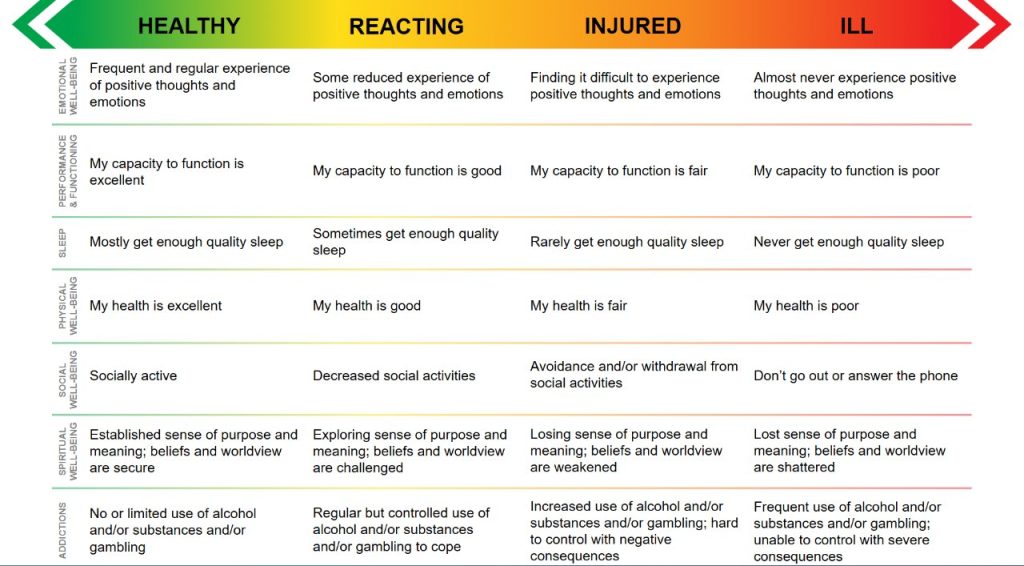
Soul-lution Package #1 — Mental Readiness
The Canadian Armed Forces’ Road to Mental Readiness program — free resilience and mental-health training. Grab the full report below, then explore the official government page.